Ricardo Andrés Pineda Guzmán, of the Honduran Network for Escazú, reminds us why it’s crucial for Honduras to sign, ratify, and enforce the Escazú Agreement for environmental justice.
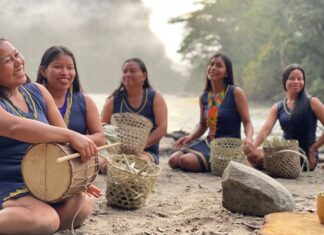
In 2020, over 40 Kichwa women began to organise themselves in defence of their territory and to expel mining from the Ecuadorian Amazon. This is how Yuturi Warmi, the first Indigenous guard led by women in the region began.
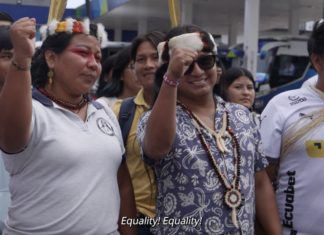
In a new LAB film, environmental defenders discuss their territorial work and the Americas-wide alliance for racial and climate justice
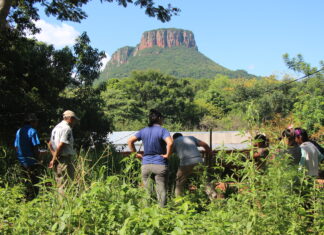
Paĩ Tavyterã Indigenous communities are employing ancestral knowledge and advocacy against the impacts of climate change
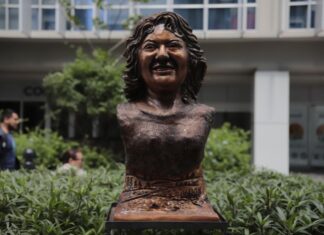
A bust of Berta Cáceres was installed in a square in Tegucigalpa's civic centre, next to a bank owned by the Atala family, who have been accused as one of the masterminds behind her murder. This piece was originally published in Spanish by Contracorriente.

The Kanan Ts'ono'ot collective is making history in Mexico by demanding that cenotes be granted legal status and the Maya people named as their guardians against threats posed by industrial farming.
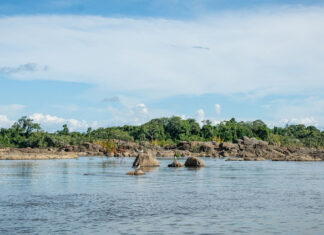
The Canadian gold mining company’s criminal lawsuit attempts to silence and intimidate defenders of the Volta Grande do Xingú, including community leaders, Amazon Watch, and other environmental and human rights activists.

Ecuadorian President Daniel Noboa now plans to continue oil extraction in Yasuní National Park – in defiance of the August national referendum result. Leonidas Iza, President of CONAIE, denounced the proposal as illegal and authoritarian.

Interviewed by Mongabay, Yuly Velásquez, a local fisher and president of an environmental organization, has spent years documenting water contamination and corruption linked to the Ecopetrol refinery in Colombia and she faces consistent threats and attacks.
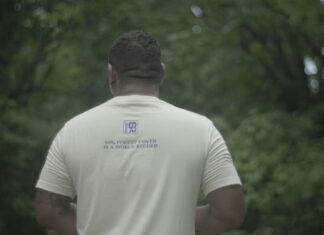
Suriname is the most forested country on earth, with 93 percent forest cover. At COP-23 in Bonn, the Suriname government pledged to work towards keeping 93 percent forest cover, forever. The Forest93 campaign is leading the way.