

In August last year, with the 50th anniversary of the coup d’état in Chile fast approaching, Tom Gatehouse interviewed his father Mike Gatehouse about his experiences of being arrested by the military and taken to the National Stadium, and continuing to campaign for human rights.
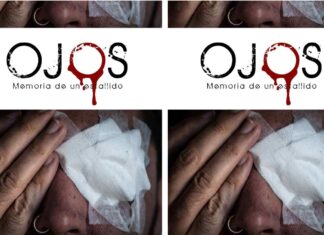
Ojos: Memoria de un estallido is a book put together as a memorial for victims of eye trauma suffered as a result of the fight for human rights in Chile. The people whose stories are gathered in this volume were caught up in the so-called Estallido Social, a period of social unrest which occurred between […]

This year marks the 50th anniversary of Pinochet’s coup in Chile and the scars of a wounded nation grappling with trauma continue to affect its people to this day. Through a mix of archive footage and a tender observational lens, the film delicately navigates the heartbreaking journey of a couple grappling with Alzheimer's.
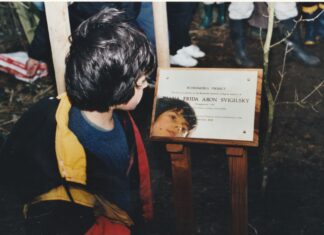
Ecomemoria's mission is to create an ecological reserve, a site of historical memory, through the planting of a tree for each of the disappeared and politically executed victims of state terrorism in Chile during the Pinochet dictatorship.

Chileans of the North is an exceptional documentary which charts the experiences of Chilean refugees who arrived in Sheffield in the 1970s, their reception by and impact on the local labour movement and the importance of solidarity for refugee resettlement.
Tricia Feeney contextualises the work of CLAMOR, an organization co-founded by Jan Rocha dedicated to defending human rights in the countries of the Southern Cone.

We are at the Jazz Café to celebrate Jara’s life and I can't think of anyone better to do this with than Nano Stern, Chilean singer-songwriter and multi-instrumentalist and the heir to the Nueva canción tradition.
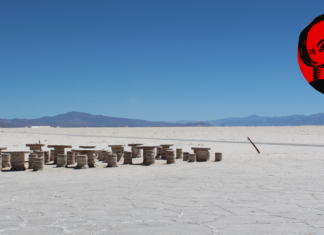
If humanity is to prevent the worst impacts of climate change, it is essential that we decarbonize our economies. This will depend upon the widespread rollout of technologies which are enormously metal- and mineral-intensive. But mining is not without its social and environmental impacts, nor is it free of responsibility for the climate emergency.

Chilean director Francisca Alegria’s surreal debut film is a 90-minute magical realist eco-fable that was nominated for the Grand Jury Prize at the 2022 Sundance Film Festival.

Five top films directed by Latin American women, in celebration of International Women's Day. Including The Eternal Memory by Maite Alberdi.