

Wallmapu: the territory speaks back
LAB author and film-maker Marcos Colón travelled to Temuco to speak about listening to Indigenous knowledge. The conference listened. But Wallmapu asked whether listening...

Brazil: controversial river decree overthrown
Indigenous leader Auricélia Arapiun describes the occupation of the Cargill terminal, in Pará, which forced the government to concede after 33 days, repealing the controversial decree 12.600, which provided concessions to developers hoping to turn the Tapajós, Madeira and Tocantins tributaries of the Amazon into waterways for the export of soya and the other fruits of extraction.
Resisting the so-called ‘Maya’ Train
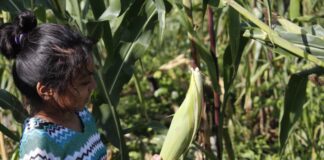
Indigenous activist Haizel explains to LAB contributor Isàlia McIntyre how strengthening Maya identity supports resistance to megaprojects harming communities across the Yucután.

Brazil: Indigenous Museum stands alone
Brazil's National Museum of Indigenous Peoples is struggling. Its funding has been cut to below 2015 levels; it is dependent on FUNAI; and institutional wrangling has left it unable to fulfill its mission. The crumbling museum building is closed to the public and important exhibits are left in limbo. Who will come to its rescue?
Survival International Report: Profit-seeking threatens to wipe out the world’s last...
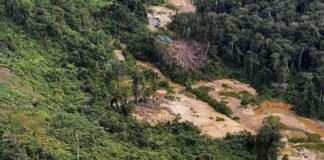
Sometime in early January 2005, a photograph of a lone man standing on a beach aiming a bow and arrow toward a camera, made...
Art Against Extraction: ATRATO by Juan Covelli
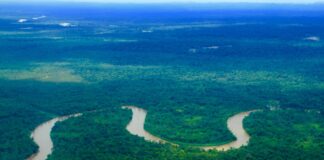
ATRATO by Juan Covelli runs until 22 February 2026 at the V&A Photography Centre in South Kensington, London. Admission is free.

COP30 confirmed what we already knew: Only poor countries want to,...
‘Indigenous Peoples, poor countries – those who contributed least to the crisis are the ones who show real ability to confront it,’ writes Jelson Oliveira, professor of philosophy at Pontifícia Universidade Católica do Paraná (PUCPR) and founding-director of the Hans Jonas Professorship.

Mexico: Megaproject Resistance in the Isthmus
Carlos Beas of UCIZONI on the impact of the Interoceanic Corridor and the future of Indigenous Rights in Mexico
The headquarters of the Unión de...
Communities in Colombia fight to be recognized in the rush to...
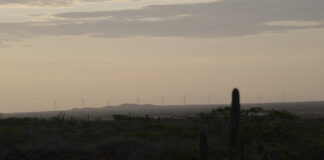
Colombia is at a crucial point as major projects led by Gustavo Petro’s government have hinged the country’s future on the promises of the energy transition. But this transition will not benefit people in Colombia by default. We hear from environmental defenders working across the coal corridor to protect their territories and ensure no one is left behind as mines close and renewable energy projects begin.
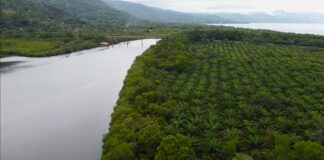
Honduras: Garífuna resist land grabs, Indigenous voices sidelined at COP30
Grassroots movements push for more inclusive climate governance as palm oil expansion threatens ancestral lands.