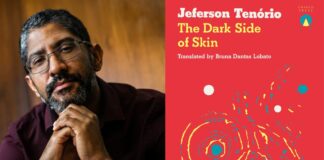
‘The Dark Side of Skin’: race relations in modern Brazil
Jeferson Tenório, originally from Rio de Janeiro, is currently a teacher of literature in Porto Alegre. The Dark Side of Skin is his third novel and winner of the esteemed Jabuti national literature prize.
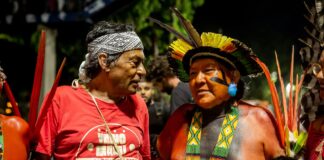
Kopenawa, Krenak, Kayapo
Brazil's Indigenous leaders are at last being recognized, reports Jan Rocha. But will anything really change in their 500-year-old struggle, as Brazil's Congress continues to defend the interests that seek to annihilate them?
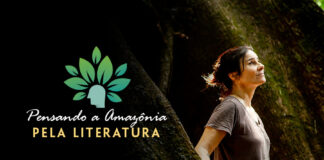
Eliane Brum: contemplating the Amazon, the centre of the world, through...
In an extraordinary interview, Brazilian journalist Eliane Brum explains how language is fundamental to the life of the Amazon and its peoples
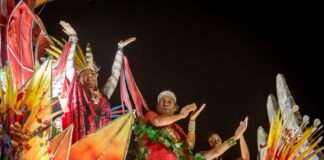
Ailton Krenak: Samba to portray our vision
Brazilian Indigenous leader Ailton Krenak is made a member of the Brazilian Academy of Letters. Meanwhile Samba schools at Carnival gave voice to Indigenous and Black peoples

‘Eureka’ is a reflection on oppression and a sensorial ride into...
Lisandro Alonso's film, 'Eureka,' intricately weaves together three distinct plots set in different parts of the Americas over different eras, presenting us with challenging and thought-provoking transitions across various genres.
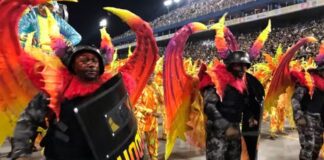
Brazil: Coup and Carnival
Brazilian police and the Supreme Court have released a video showing Bolsonaro plotting to deny the results of the presidential election and mount a coup. The leading Samba schools in this year's carnivals, by contrast, highlighted the lives of Indigenous Peoples and the culture of black Brazil
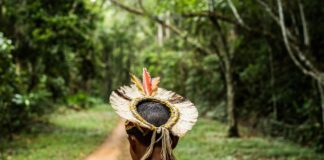
Attack on Pataxó Hãhãhãi Indigenous leaders must be investigated
In January, two leaders of the Indigenous Pataxó Hãhãhãi community of Bahia State in Brazil were brutally attacked by a militia calling for a ‘repossession’ of their land, as police officers allegedly watched.

Belo Sun Mining seeks to criminalise Amazon defenders
The Canadian gold mining company’s criminal lawsuit attempts to silence and intimidate defenders of the Volta Grande do Xingú, including community leaders, Amazon Watch, and other environmental and human rights activists.
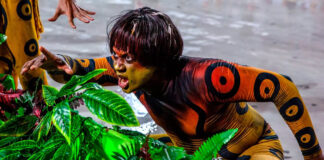
Carnival: Afro-Brazil meets Indigenous Amazon
In developing its carnival theme, the Salgueiro samba school drew on the knowledge of Yanomami shaman Davi Kopenawa, whose visit to the Rio de Janeiro community forged a bridge between favela and forest, reviving the transgressive power of Brazil’s most popular festival.
‘I’m still alive’: Yanomami to be honoured at Carnaval do Brasil
On Sunday, February 11, day two of Brazil’s five-day Carnival extravaganza, the Yanomami people will be honoured at the samba parade by Salgueiro, one the oldest, most venerated samba schools in Rio de Janeiro.