In the first of a new series of blogs, LAB author and editor Sue Branford returns to the subject closest to her heart: the survival of the Amazon rainforest and the communities and peoples that live there – a matter of crucial importance not only for themselves, for Brazil and the other countries of the Amazon basin, but for the planet and the climatic and ecosystems on which human life depends.
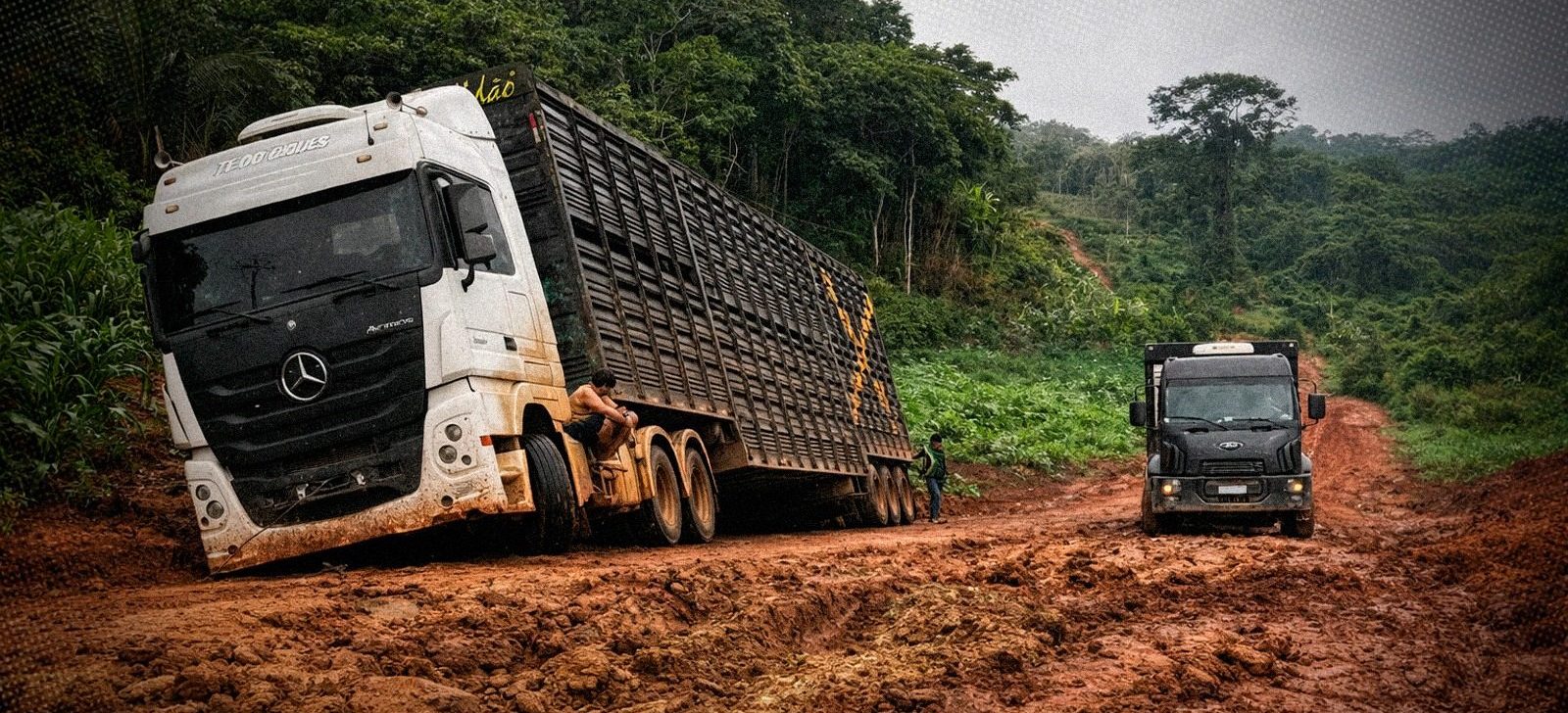
On my first trip to the Amazon forest in 1974, there were no paved roads, just a few dirt tracks that became impassable during the rainy season. There were no buses and few other vehicles on these rough roads, even when they were not flooded. Travelling with a Brazilian friend, we hitched lifts in lorries, occasionally having to get out as the driver made his way slowly over a muddy patch of the road or even help to find logs he – the drivers were always men – could lay in front of the wheels.
People were moving into the Amazon forest, driven there by the devastating droughts that affected Brazil’s impoverished northeast, and from the extreme south, where landless families were being resettled, unaware of the enormous difficulties of farming a plot of land in a remote, isolated region without adequate government assistance and almost no access to the outside world.
One of my most vivid memories was of a lorry driver suggesting we stop for an ice-cream at a tiny hamlet, called Redenção (Redemption), an appropriate name for a God-forsaken place along a remote stretch of the road in the south of Pará state. A lovely idea in the Amazon heat, but it sounded too good to be true. And so it turned out to be. We scrambled out of the lorry and found that there were no ice-creams or even cool drinks as the generator had run out of diesel. There were a few lorry drivers, revolvers tucked into holsters, drinking lukewarm soft drinks. We joined them, chatting to the Italian owner.
Suddenly, we heard a shot and saw a man lying wounded in the street, about a hundred yards away. My instinct was to rush over to him to see if we could help. But the lorry driver said firmly: ‘Vamos embora’ (we’re going, now!) and we were rapidly herded back to the lorry. Survival at that time meant taking tough decisions. The driver had no intention of getting embroiled in a violent conflict because of the concerns of a soft-hearted young foreigner.
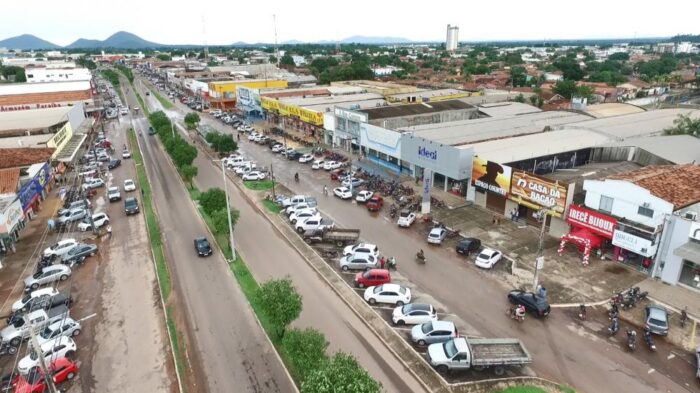
Today Redenção is a town of over 90,000 inhabitants. I went back a decade ago and, after a hunt, found the ice-cream parlour, which was still operating. But the owner had retired two years earlier, reportedly returning to Italy. I was sorry to have missed him. I ate an ice-cream, wonderfully creamy, and wished him all the best.
Back in 1974 we carried on in the lorry to the town of Marabá on the Tocantins river. Exhausted we collapsed into a simple but clean hotel. The next day we discovered that our room was kept free of rats by an anaconda snake in the rafters. The hotel owner told us that the anaconda swallowed a rat whole and then slowly digested it. A lengthy process but enough to deter other rats and offering no threat to his guests.
Before our first visit, in 1972, the authoritarian military government, obsessed by national security, had launched an ambitious programme to integrate the vast Amazon region into the rest of the country. Under the slogan integrar para não entregar (integrate so as not to surrender) – to foreign interests – they had begun an ambitious road-building programme, the key plank of which was to be the 4,000-kilometre Transamazônica Highway, spanning the Amazon basin. But the problem of opening and maintaining such a huge road was insurmountable. Even today, it is incomplete, with just a few sections paved.
Perhaps it will never be opened. As environmental awareness has grown, many people are campaigning against the building of such a road, as it would undoubtedly lead to more devastation and greater displacement of indigenous communities. These issues will be addressed in a later blog.
To see the other blogs in this series, click here.
Main image: Lorry stuck on the Transamazônica. Image from WhatsApp/Inverno na Transamazônica